
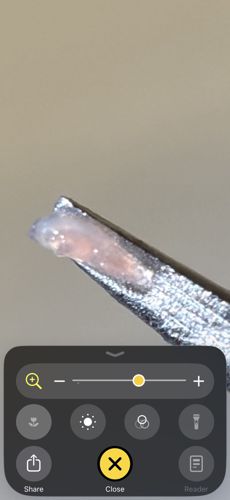
Community identification
Fly Larva (Maggot)
Diptera (Unspecified Larva)
- Order & Family
- Order: Diptera, Family (Likely): Calliphoridae or Muscidae
- Size
- 3mm to 12mm depending on the instar stage and species.
Natural Habitat
Typically found in moist environments rich in organic matter, such as decaying food, garbage, soil, or near animal waste.
Diet & Feeding
Most consume decaying organic material, bacteria, and liquefying tissue; some species are predatory or parasitic.
Behavior Patterns
They exhibit phototaxis (moving away from light) and spend most of their time feeding to store energy for pupation and metamorphosis into adult flies.
Risks & Benefits
Risks include the spread of pathogens to food or accidental myiasis in humans/pets. Benefits include ecological decompositon, nutrient recycling, and use in forensic entomology or controlled wound debridement (maggot therapy).