
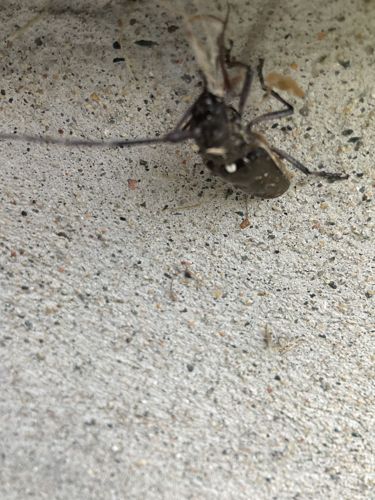
Brown Spruce Longhorn Beetle
Tetropium fuscum
- Order & Family
- Coleoptera, Cerambycidae
- Size
- 10-18 mm (0.4-0.7 inches)
Natural Habitat
Conifer forests, especially those with stressed or recently cut trees. Can also be found near lumberyards or in areas with stored firewood.
Diet & Feeding
Larvae feed on the phloem and xylem of conifer trees, particularly spruce, fir, and pine. Adults may feed on conifer needles or bark.
Behavior Patterns
Adults are nocturnal and are attracted to lights. Females lay eggs in crevices of bark on host trees. Larvae bore into the wood, creating tunnels. The larval stage can last for several years. Adults may emerge from cut timber or firewood.
Risks & Benefits
Potential Risk: It is a significant pest of conifer forests, especially spruce, causing tree mortality and economic losses to the forestry industry. It is an invasive species in some regions, posing a threat to native ecosystems. No direct risk to humans (does not bite or sting). Potential Benefit: As a wood-boring insect, it contributes to the decomposition of dead or dying trees, which can naturally recycle nutrients in the forest.