
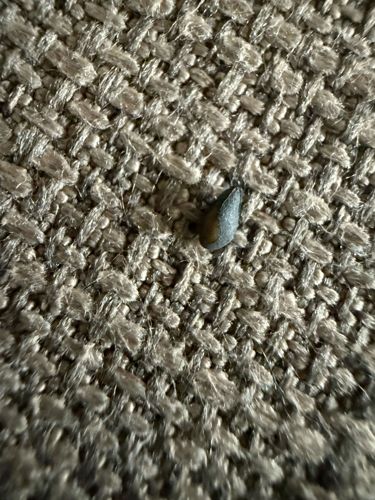
Slug
Varied (e.g., Arion, Limax, Deroceras spp.)
- Order & Family
- Stylommatophora (Order), multiple families (e.g., Arionidae, Limacidae, Agriolimacidae)
- Size
- Typically 1 to 15 cm (0.4 to 6 inches) in length, though some species can be larger.
Natural Habitat
Damp, cool environments, often found in gardens, under logs or rocks, in leaf litter, and sometimes indoors in moist areas.
Diet & Feeding
Herbivorous and detritivorous. Slugs primarily feed on decaying vegetation, fungi, and a wide variety of living plants, including leaves, stems, flowers, and fruits. Some species are omnivorous and may consume small insects or carrion.
Behavior Patterns
Nocturnal, active during damp conditions. They move by gliding on a muscular foot, secreting a layer of mucus to aid in movement and prevent desiccation. They are hermaphroditic and lay eggs in moist soil or under debris.
Risks & Benefits
Risks include being a garden pest, causing damage to cultivated plants. They can also carry parasites that may affect humans or pets if ingested (e.g., rat lungworm). Benefits include contributing to decomposition, breaking down organic matter, and serving as a food source for other animals.