
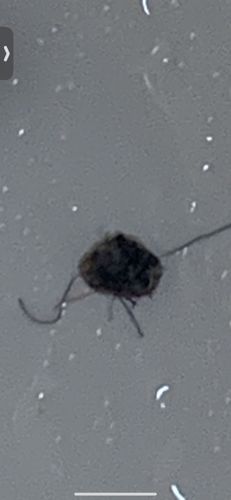
Aphid
Aphidoidea (Superfamily)
- Order & Family
- Hemiptera, Aphididae
- Size
- Typically 1-10 mm (0.04-0.4 inches) in length, though most are on the smaller end of this range.
Natural Habitat
Found on various plants, feeding on sap from leaves, stems, and roots. Often found in gardens, agricultural fields, and natural plant communities.
Diet & Feeding
Aphids are phytophagous, feeding exclusively on plant sap. They use their piercing-sucking mouthparts to extract phloem sap, which is rich in sugars.
Behavior Patterns
Aphids often reproduce very quickly, with females viviparously producing live young without mating (parthenogenesis). They can be found in large colonies, sometimes attracting ants that 'farm' them for their sugary honeydew secretions. Many species exhibit winged forms (alates) for dispersal when colonies become too crowded or resources scarce.
Risks & Benefits
Risks: Aphids are considered significant agricultural pests. They can cause direct damage to plants by stunting growth, deforming leaves, and reducing yields. They also transmit plant viruses, potentially leading to widespread crop diseases. Benefits: They serve as a food source for many beneficial insects (e.g., ladybugs, lacewings) and birds, playing a role in the food web. Their honeydew can also be a food source for other insects.