
Community identification
Cochineal
Dactylopius coccus
- Order & Family
- Order Hemiptera, Family Dactylopiidae
- Size
- Females are about 5 mm (0.2 in) long, while males are smaller and fly-like.
Natural Habitat
Found on various species of prickly pear cacti (Opuntia genus) in subtropical South and North America.
Diet & Feeding
Sessile parasites that feed on the moisture and nutrients of prickly pear cactus juice using piercing-sucking mouthparts.
Behavior Patterns
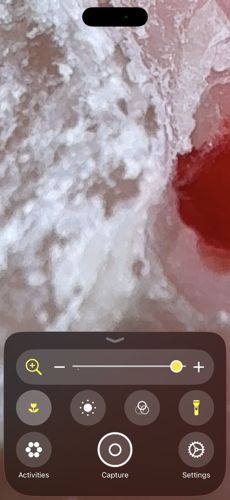
The females are wingless and live in dense colonies covered by a protective white, waxy, cottony substance; they produce carminic acid to deter predators. Males have wings but are short-lived, appearing only to mate.
Risks & Benefits
Benefits: A primary source of carmine, a natural red dye used in food and cosmetics. Risks: Generally harmless to humans but can be a pest to cactus plants; some individuals may have allergic reactions to the dye.