
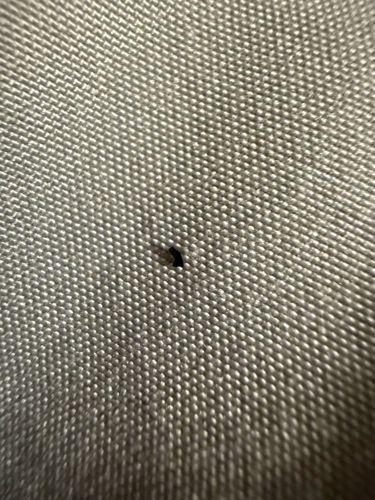
Fungus Gnat
Sciaridae (most common), Mycetophilidae
- Order & Family
- Order: Diptera, Family: Sciaridae or Mycetophilidae
- Size
- 2-8 mm (adults)
Natural Habitat
Fungus gnats are commonly found in damp, organic-rich environments. Indoors, they are prevalent near houseplants, in potting soil, and anywhere there is consistently moist soil or decaying organic matter. Outdoors, they inhabit compost piles, damp leaf litter, and shaded, moist areas with plenty of fungi.
Diet & Feeding
Adult fungus gnats typically do not feed or feed on liquids. The larvae, however, feed on fungi, decaying organic matter, and sometimes the roots of plants, especially seedlings or unhealthy plants.
Behavior Patterns
Adult fungus gnats are attracted to light and moisture and are often seen flying or walking on the surface of potting mix. They have a short lifespan (about 7-10 days). Females lay eggs in moist soil, and the larvae develop there, feeding for about 2-3 weeks before pupating. The entire life cycle can be completed in about 3-4 weeks under favorable conditions.
Risks & Benefits
Risks: Larvae can damage the roots of houseplants, particularly young or stressed plants, leading to wilting or stunted growth. They are primarily a nuisance pest for humans due to their presence flying around indoor plants. They do not bite or transmit diseases to humans. Benefits: In certain ecosystems, they can help in the decomposition of organic matter and serve as a food source for other organisms.