
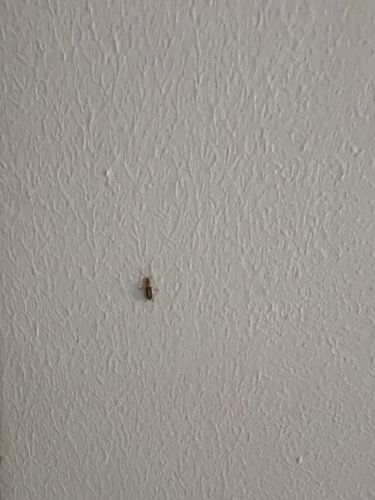
Earwig
Various species within Dermaptera order (e.g., Forficula auricularia for the European earwig)
- Order & Family
- Order Dermaptera, various families (e.g., Forficulidae, Labiduridae)
- Size
- Typically 5-25 mm (0.2-1 inch) in length, varying by species.
Natural Habitat
Damp, dark, and cool places, often found under rocks, logs, leaf litter, mulch, or outdoor furniture. Can also be found indoors in bathrooms, kitchens, and basements, especially during dry or hot weather seeking moisture.
Diet & Feeding
Omnivorous; typically feed on decaying organic matter, fungi, plants (leaves, flowers, fruits), and small insects (aphids, maggots, mites). Some species are predatory.
Behavior Patterns
Active mainly at night, some species are attracted to light. Females typically lay eggs in cracks, crevices, or loose debris. Larvae are voracious predators. Some species are known for rapid movement when disturbed.
Risks & Benefits
Generally harmless to humans, despite the myth of crawling into ears (myth is debunked). Can be a nuisance pest indoors. Outdoors, they can damage garden plants, especially seedlings and soft fruits, but can also be beneficial by preying on other pests like aphids. Their presence in large numbers can indicate excessive moisture.