
Community identification
Cat Flea
Ctenocephalides felis
- Order & Family
- Siphonaptera, Pulicidae
- Size
- 1.5 - 3 mm
Natural Habitat
Indoor domestic environments, animal bedding, carpets, and fur of host animals such as cats and dogs
Diet & Feeding
Adults feed exclusively on the blood of mammals (cats, dogs, humans); larvae feed on organic debris and adult flea feces ('flea dirt')
Behavior Patterns
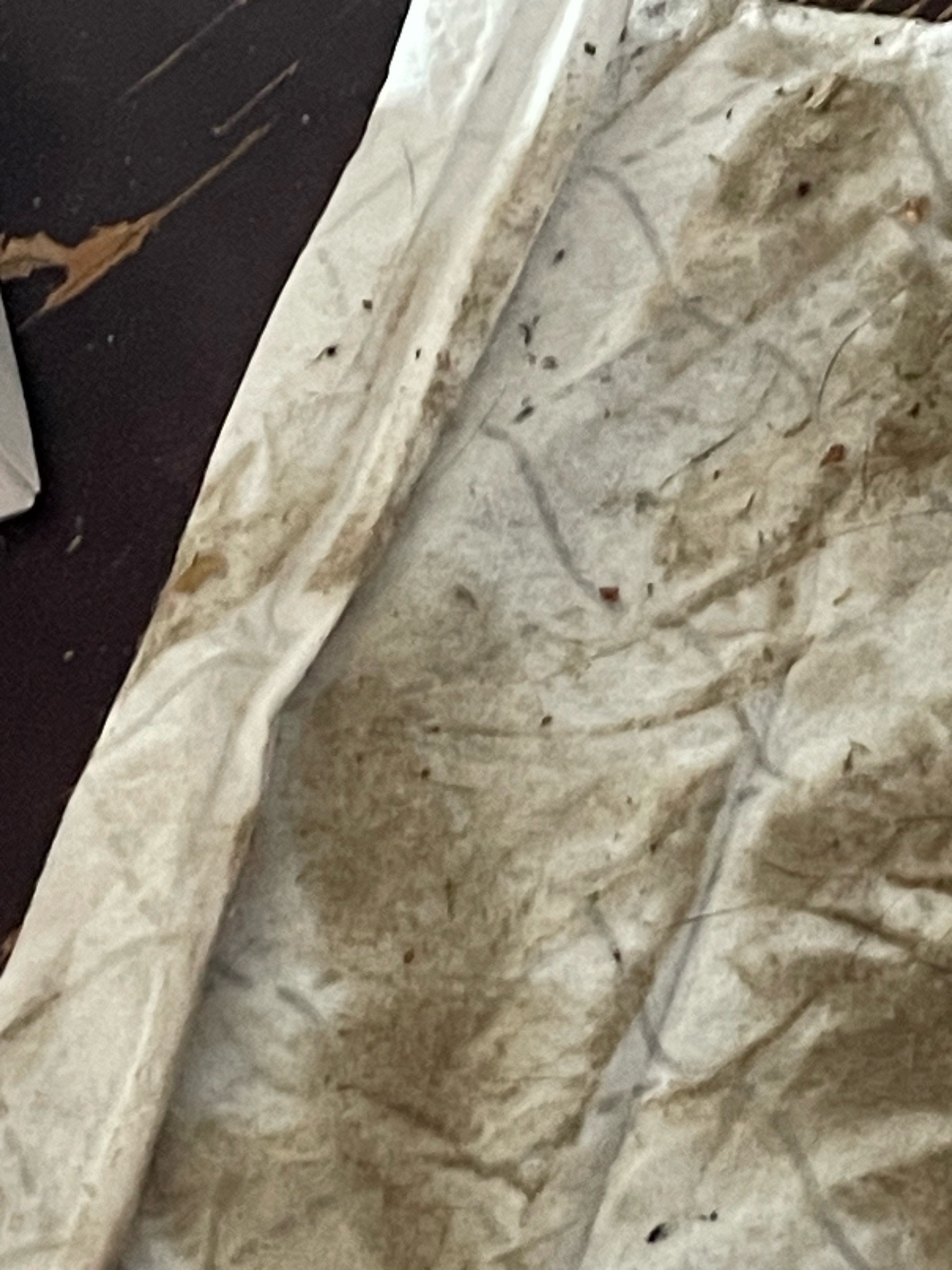
Wingless insects that jump onto hosts using strong hind legs. Females lay eggs directly on host fur, which drop off into pet resting areas. The small specs visible in pet bedding often consist of adult fleas and flea dirt (fecal specs of digested blood).
Risks & Benefits
Risks include causing intense itching, allergic dermatitis, anemia in young pets, and potential transmission of parasites like tapeworms (Dipylidium caninum) or bacterial pathogens. They offer no beneficial ecological function indoors.