
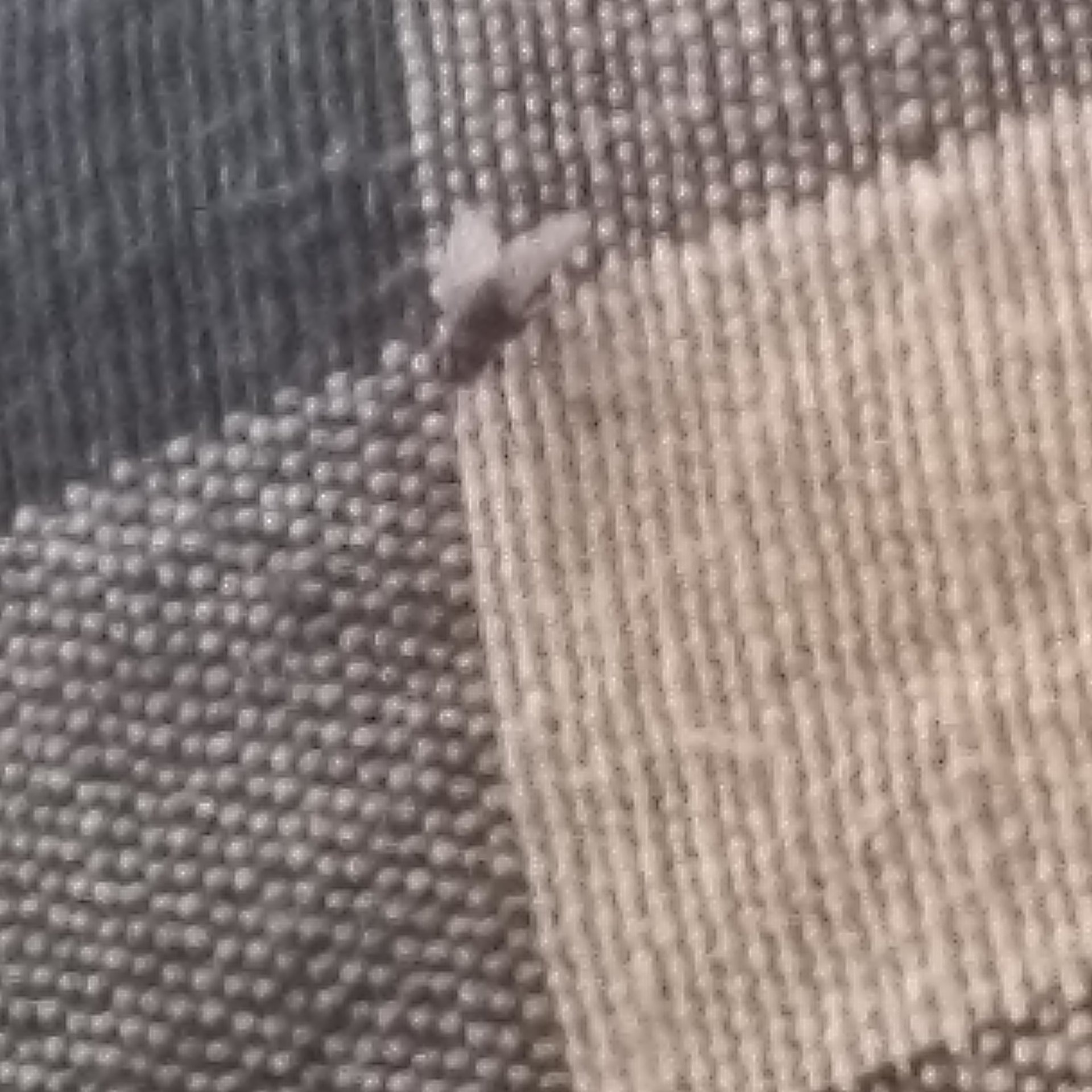
Community identification
House Fly
Musca domestica
- Order & Family
- Diptera, Muscidae
- Size
- 6 to 7 mm (0.24 to 0.28 inches) in length
Natural Habitat
Found worldwide in close proximity to human settlements, farms, and decaying organic matter.
Diet & Feeding
Adults feed on liquids including sugary substances, decaying food, and animal waste. They liquefy solids with enzymes in their saliva.
Behavior Patterns
Highly active during the day; they possess rapid flight reflexes (moving upon detecting slight changes in air pressure). Life cycle involves four stages: egg, larva (maggot), pupa, and adult, often completing in just 7-10 days in warm weather.
Risks & Benefits
Significant health risk as they are vectors for pathogens causing diseases like typhoid, cholera, and salmonellosis. They benefit ecosystems by aiding in the decomposition of organic material.