
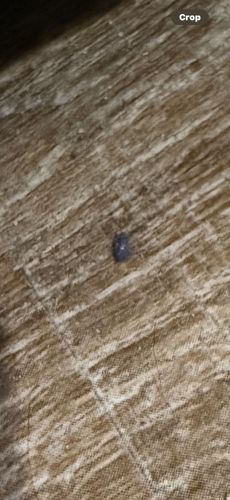
Woodlouse
Various species within Oniscidea
- Order & Family
- Order: Isopoda, Suborder: Oniscidea (various families)
- Size
- Typically 6 to 20 mm (0.24 to 0.79 inches) in length, though some species can be larger.
Natural Habitat
Damp, dark places such as under rocks, logs, leaf litter, decaying wood, compost piles, and sometimes in basements or bathrooms. They require high humidity to survive.
Diet & Feeding
Detritivores, primarily feeding on decaying organic matter such as rotting wood, leaves, fungi, and plant debris. They play a role in decomposition.
Behavior Patterns
Nocturnal, hiding during the day to avoid predators and desiccation. They are not true insects but crustaceans. Many species can roll into a ball (conglobate) when threatened, hence the common name 'pill bug' for some varieties. They are often found in groups.
Risks & Benefits
Generally harmless to humans. They do not bite, sting, or transmit diseases. Beneficial for breaking down organic matter and enriching soil. In large numbers, they can sometimes damage young plants or seedlings in gardens, particularly in very damp conditions, but this is rare. Indoors, they are usually a sign of excess moisture or dampness.