
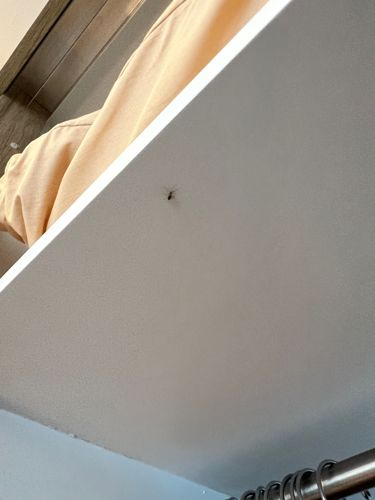
Fruit Fly
Drosophila spp. (most commonly Drosophila melanogaster)
- Order & Family
- Order: Diptera, Family: Drosophilidae
- Size
- Typically 2-4 mm (0.08-0.16 inches) in length
Natural Habitat
Commonly found in kitchens, pantries, and any areas where ripe or decaying fruits, vegetables, and other organic matter (like spills, garbage, or uncleaned drains) are present. They are prevalent in human dwellings and agricultural settings.
Diet & Feeding
Adult fruit flies feed on the yeast growing on ripe, fermenting, or rotting fruits and vegetables, as well as sugary liquids. Larvae feed on the microorganisms and decaying matter within these same food sources.
Behavior Patterns
Fruit flies are attracted to ripe, fermenting, or rotting fruits and vegetables. They lay their eggs on the surface of these materials, and the larvae develop within the moist, fermenting environment. They are typically active during the day and are often seen hovering around food sources or fermentation.
Risks & Benefits
Risks: Can be a nuisance in homes and food establishments due to their rapid reproduction and attraction to food. While generally not direct vectors of human disease, they can contaminate food with bacteria and microorganisms from their breeding sites. Benefits: Drosophila melanogaster is a very important model organism in biological research, especially in genetics and developmental biology, due to its short life cycle, ease of breeding, and well-understood genome.