
Community identification
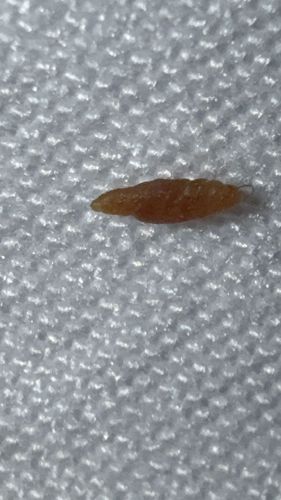
Fruit fly pupa
Drosophila melanogaster
- Order & Family
- Order: Diptera; Family: Drosophilidae
- Size
- 3 to 4 mm in length
Natural Habitat
Found indoors near decaying organic matter, ripening fruit, drains, and trash cans. In nature, they inhabit areas with fermenting vegetation.
Diet & Feeding
Larvae (maggots) consume fungal growth and bacteria found on fermenting or decaying organic material; pupae do not eat during this transformative stage.
Behavior Patterns
This is the immobile pupal stage of the life cycle. The larva crawls out of its food source to a dry area and hardens its outer skin into a puparium, where it metamorphoses into an adult fly over several days.
Risks & Benefits
Generally considered a nuisance pest in homes. While they do not bite, they can cross-contaminate food with bacteria. In science, they are highly beneficial as model organisms for genetic research.