
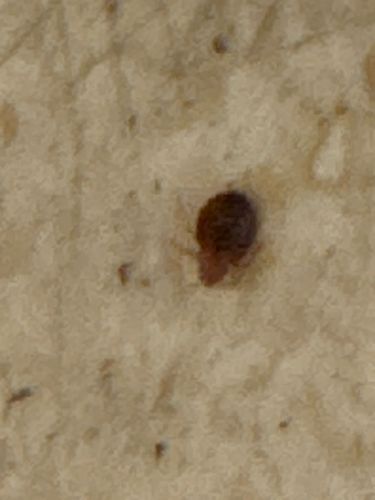
Bed Bug
Cimex lectularius
- Order & Family
- Hemiptera (order), Cimicidae (family)
- Size
- Adults are typically 4-5 mm (0.16-0.20 inches) long, similar to an apple seed.
Natural Habitat
Primarily human dwellings, especially beds, mattresses, bed frames, furniture, and cracks/crevices in walls. They prefer dark, secluded places close to a host.
Diet & Feeding
Strictly hematophagous, meaning they feed exclusively on the blood of warm-blooded animals, with a strong preference for human blood. They feed by piercing the skin with their elongated mouthparts (proboscis) and withdrawing blood.
Behavior Patterns
Nocturnal, typically feeding at night while hosts are sleeping. They are attracted to carbon dioxide and body heat. They often live in groups and leave behind fecal spots (digested blood) on surfaces. They undergo incomplete metamorphosis (egg, nymph, adult).
Risks & Benefits
Potential Risks: Bed bugs are known to cause itchy welts and skin irritation from their bites. While not known to transmit diseases, their bites can lead to secondary skin infections from scratching. They can cause significant psychological distress, sleep disturbance, and economic burden due to eradication efforts. Potential Benefits: No known direct benefits to humans or ecosystems. They are considered pests of public health significance.