
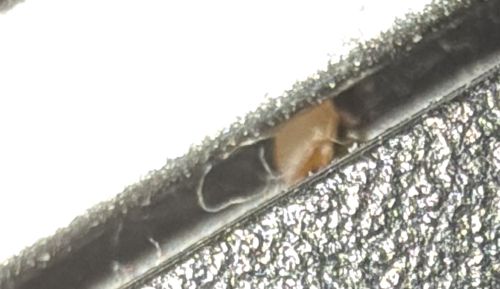
Bed Bug
Cimex lectularius
- Order & Family
- Hemiptera (Order), Cimicidae (Family)
- Size
- Approximately 4-5 mm (about the size of an apple seed) for adults; nymphs are smaller, ranging from 1-4 mm.
Natural Habitat
Almost exclusively indoors, hiding in tight cracks and crevices near sleeping areas. This includes mattress seams, box springs, bed frames, furniture joints, and behind baseboards or wall hangings.
Diet & Feeding
Hematophagous (blood-feeding); they feed exclusively on the blood of warm-blooded animals, preferring humans.
Behavior Patterns
They are nocturnal and cryptic, emerging at night to feed on sleeping hosts. They are attracted to warmth and carbon dioxide. After feeding, they retreat to hidden aggregations where they digest and reproduce. They do not fly or jump but can crawl rapidly.
Risks & Benefits
Risks: Their bites cause itchy, red welts and can lead to secondary skin infections or allergic reactions. They cause significant psychological stress, anxiety, and insomnia. While not proven to transmit disease directly, infestations heavily impact quality of life. Benefits: None known in domestic environments.