
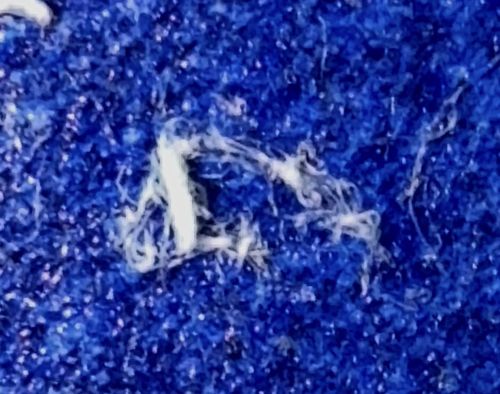
Casemaking Clothes Moth Larva
Tinea pellionella
- Order & Family
- Lepidoptera: Tineidae
- Size
- Larvae grow to approximately 10mm (0.4 inches) in length.
Natural Habitat
Dark closets, drawers, attics, or storage areas where natural fibers like wool, fur, silk, or feathers are kept.
Diet & Feeding
Keratin-rich materials including wool, fur, silk, feathers, felt, leather, and sometimes accumulated pet hair or lint.
Behavior Patterns
The larva constructs a portable, silken tube-like case around its body using fibers from the material it is eating. It drags this case around as it feeds and will retreat inside it if disturbed. They tend to graze on fabric surfaces rather than burrowing deep.
Risks & Benefits
Risks: Significant pest that causes damage to clothing, carpets, tapestries, and taxidermy by eating holes in fabrics. Benefits: In nature, they help break down animal carcasses and debris, but in homes, they are considered purely destructive pests.