
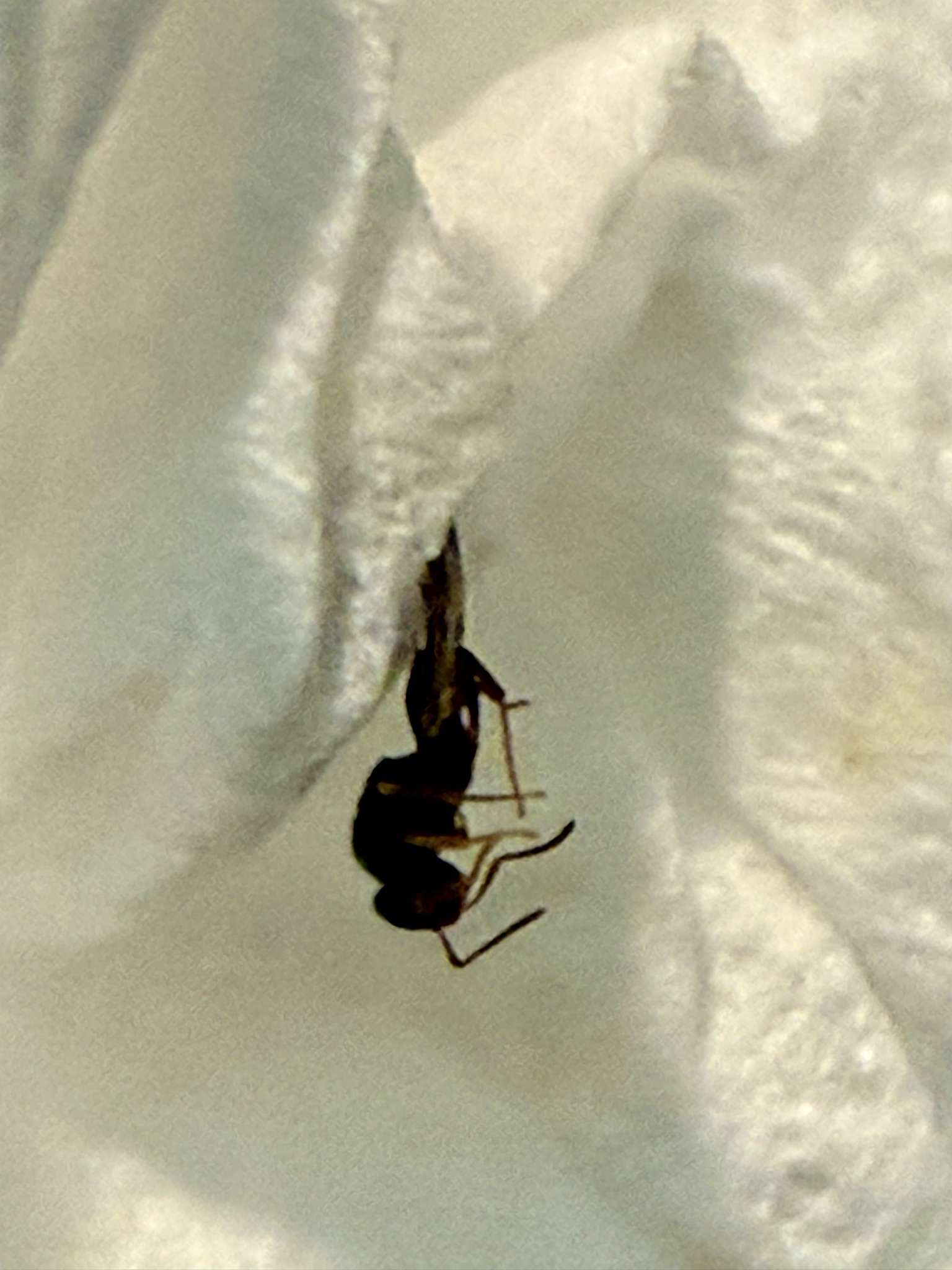
Community identification
Carpenter Ant
Camponotus (genus)
- Order & Family
- Hymenoptera, Formicidae
- Size
- Workers vary from 6mm to 12mm; queens can reach up to 20mm in length.
Natural Habitat
Found in both forest and urban environments. They typically build primary nests in moist, decaying wood and satellite nests in drier structural wood within buildings.
Diet & Feeding
Omnivorous scavengers that feed on proteins (dead insects) and carbohydrates, especially honeydew produced by aphids. They do not eat wood; they only excavate it for nesting.
Behavior Patterns
They are most active at night. They follow distinct chemical trails to food sources. Unlike termites, they do not consume wood but tunnel through it, keeping 'galleries' clean of debris.
Risks & Benefits
Risk: Can cause structural damage to homes by hollowing out wooden supports. Benefit: In the wild, they are essential for ecological decomposition by breaking down dead timber and recycling nutrients.