
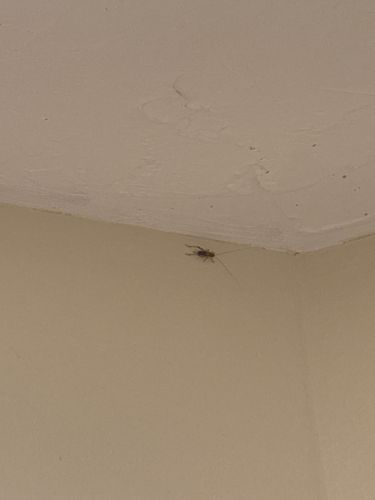
Cellar Spider, Daddy Long-legs Spider
Pholcus phalangioides (most common species)
- Order & Family
- Order Araneae, Family Pholcidae
- Size
- Body length typically 2-10 mm, with very long, thin legs that can span up to 50 mm (2 inches) or more.
Natural Habitat
Commonly found indoors in undisturbed, damp, and dark areas such as cellars, basements, crawl spaces, garages, sheds, and attics. Outdoors, they can be found in similar sheltered locations like under rocks or logs.
Diet & Feeding
Mainly other insects and spiders. They are opportunists that will prey on anything that gets caught in their webs. They are known to hunt and eat other spiders, including more venomous ones like redback spiders and hobo spiders, by wrapping them in silk.
Behavior Patterns
Cellar spiders are typically reclusive, building irregular, messy webs in corners. They are known for their rapid, vibrating motion when disturbed, which makes them difficult for predators to catch. They are nocturnal hunters, waiting for prey to get entangled in their webs.
Risks & Benefits
Risks: Generally considered harmless to humans. Their fangs are too small to penetrate human skin, and their venom is not considered medically significant. Benefits: They can be beneficial by preying on other pest insects and spiders, including those that might be considered more dangerous or nuisance pests.