
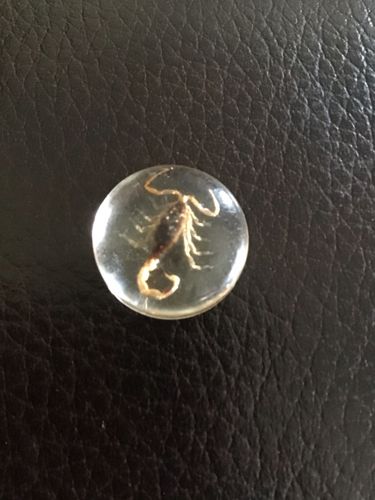
Scorpion
Various species within the Order Scorpiones (e.g., Androctonus australis, Hottentotta tamulus, Centruroides sculpturatus)
- Order & Family
- Order: Scorpiones, Families: Buthidae, Scorpionidae, Hemiscorpiidae, Diplocentridae, Vaejovidae, etc. (There are 22 extant families within the order Scorpiones)
- Size
- Scorpions vary significantly in size, ranging from about 9 mm (0.35 inches) in some small species up to 23 cm (9.1 inches) for the largest species, such as the Emperor Scorpion (Pandinus imperator) or the Giant Forest Scorpion (Heterometrus swammerdami).
Natural Habitat
Scorpions can be found in a wide range of habitats across various continents, from deserts and grasslands to forests and even mountains. They are particularly common in arid and semi-arid regions. They typically seek shelter in burrows, under rocks, logs, bark, leaf litter, or in crevices to escape extreme temperatures and predators.
Diet & Feeding
Scorpions are predatory arachnids. Their diet primarily consists of insects and other invertebrates, such as spiders, centipedes, and other scorpions. Larger species may occasionally prey on small vertebrates like lizards, snakes, and rodents. They use their pincers (pedipalps) to catch and crush smaller prey, or to hold larger prey while delivering a paralyzing or killing sting with their telson (stinger).
Behavior Patterns
Scorpions are primarily nocturnal, hunting for prey at night. During the day, they hide in burrows, under rocks, logs, or other debris to avoid predators and conserve water. They are solitary creatures and only come together for mating. Scorpions detect prey and predators using vibrations in the ground and air, as well as chemoreceptors. When disturbed, they may sting defensively. Some species can live for several years.
Risks & Benefits
Potential Risks: The primary risk associated with scorpions is their venomous sting. While most scorpion stings are painful but not life-threatening to humans, symptoms can include localized pain, swelling, numbness, and tingling. However, stings from highly venomous species, particularly those in the family Buthidae (e.g., fattail scorpions, bark scorpions), can be medically significant or even lethal, especially to children, the elderly, or those with compromised immune systems, causing symptoms like muscle spasms, respiratory problems, and cardiac issues. Potential Benefits: Scorpions play an important role in their ecosystems as predators, helping to control populations of insects and other invertebrates. Their venom is also being researched for potential medical applications, including treatments for cancer, pain relief, and antimicrobial agents.