
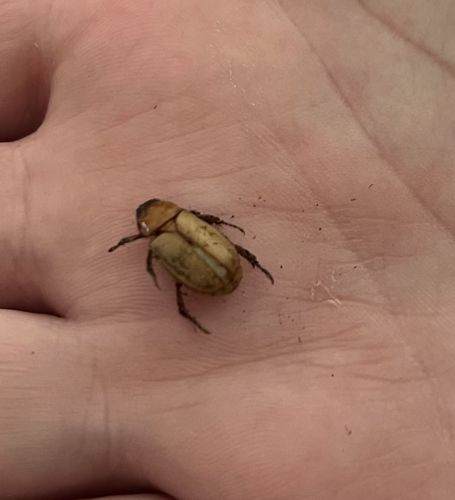
May Beetle or June Bug
Phyllophaga spp. (a genus within the Scarabaeidae family, containing many species)
- Order & Family
- Order: Coleoptera, Family: Scarabaeidae (specifically within a subfamily like Melolonthinae)
- Size
- Typically 12-25 mm (0.5-1 inch) in length, varying by species.
Natural Habitat
May beetles are commonly found in temperate regions, inhabiting areas with abundant deciduous trees, shrubs, and grassy areas such as lawns, pastures, agricultural fields, and forests. They spend their larval stage underground.
Diet & Feeding
Adult May beetles feed on the leaves of various deciduous trees and shrubs, including oak, elm, maple, and fruit trees. The larvae (white grubs) feed on the roots of grasses, crops, and other plants.
Behavior Patterns
Adult May beetles are nocturnal and are attracted to lights. They feed on foliage during the night and hide in the soil during the day. Females lay eggs in the soil, which hatch into white grubs. The grub stage can last for 1 to 3 years, depending on the species and environmental conditions, before pupating and emerging as adults. Larvae are typically found in the soil feeding on roots.
Risks & Benefits
Risks: The primary risk associated with May beetles is the damage caused by their larval stage, white grubs. These grubs can cause significant damage to lawns, golf courses, and agricultural crops by feeding on roots, leading to wilting, yellowing, and eventual death of plants. Adult beetles, while less damaging than grubs, can defoliate trees and shrubs if present in large numbers. Benefits: As part of the ecosystem, May beetles serve as a food source for various animals, including birds, moles, and other insect predators. Their burrowing activity can contribute to soil aeration, though this is overshadowed by the damage caused by grubs in agricultural settings.