
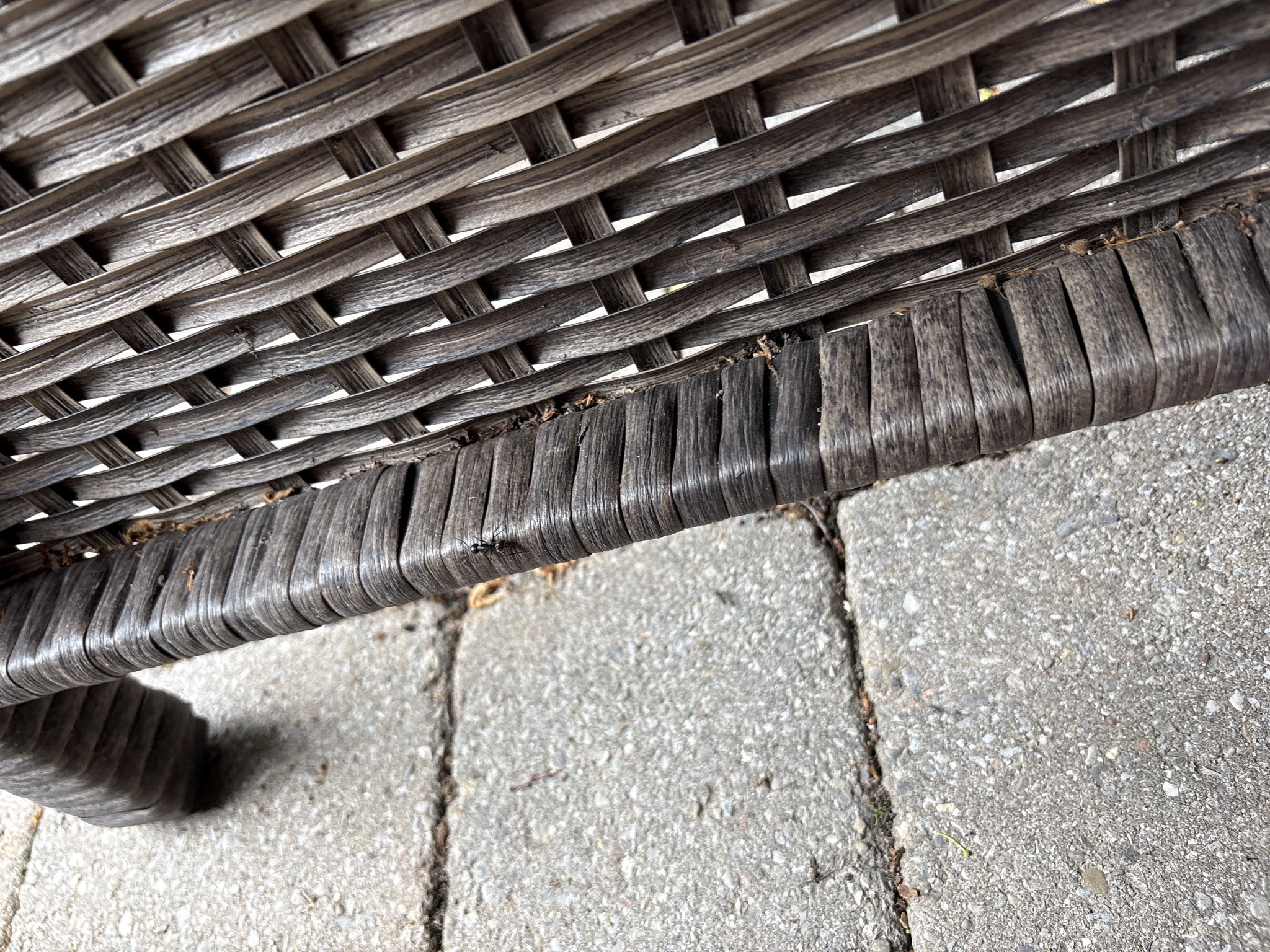
Carpenter Ant
Camponotus pensylvanicus
- Order & Family
- Hymenoptera: Formicidae
- Size
- Workers: 6 to 13 mm; Queens: up to 25 mm
Natural Habitat
Forests, woodlands, and suburban areas; nests are typically established in damp, decaying wood, including dead trees, logs, and structural wood in buildings.
Diet & Feeding
Omnivorous; feeds on honeydew produced by aphids, nectar, fruit juices, and other insects. They do not eat wood but excavate it for nesting.
Behavior Patterns
Eusocial insects with a caste system including a queen, males, and workers. They are primarily nocturnal foragers and communicate via pheromones. They undergo complete metamorphosis (egg, larva, pupa, adult).
Risks & Benefits
Benefits: play a vital role in forest ecosystems by decomposing rotting wood. Risks: can cause significant structural damage to homes by excavating galleries in wood for nesting. They can bite if disturbed, but they do not have a functional sting.