
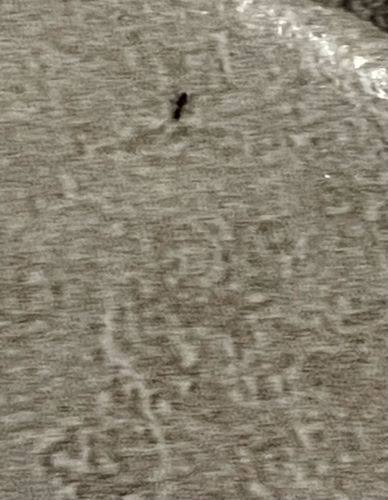
Community identification
Ant (Worker)
Formicidae (family level identification)
- Order & Family
- Order: Hymenoptera, Family: Formicidae
- Size
- Most common worker ants range from 1/16 inch to 1/2 inch (1.5 mm to 13 mm) depending on the species.
Natural Habitat
Nests are typically found in soil, under rocks, or inside decaying wood; they frequently enter human dwellings in search of food and water.
Diet & Feeding
Omnivorous; they eat a wide variety of foods including sugar, proteins, fats, seeds, and other insects.
Behavior Patterns
Highly social insects living in colonies with distinct castes (workers, queens, and males). They use pheromone trails to communicate and coordinate foraging efforts.
Risks & Benefits
Benefits include ecosystem services like soil aeration and pest control. Risks include food contamination, structural damage (for certain species like carpenter ants), and painful stings or bites depending on the specific genus.