
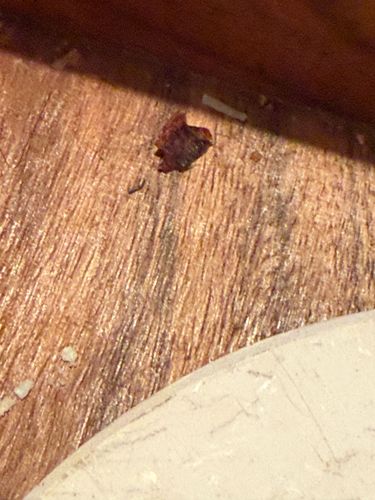
Bed Bug
Cimex lectularius
- Order & Family
- Hemiptera (order), Cimicidae (family)
- Size
- Adults are typically 4-5 mm (0.16-0.20 inches) long, unfed; can be up to 7 mm (0.28 inches) after feeding.
Natural Habitat
Primarily human dwellings, especially beds, mattresses, bed frames, and other areas where people rest. They can also be found in cracks and crevices in furniture, walls, and flooring.
Diet & Feeding
Strictly hematophagous, meaning they feed exclusively on the blood of warm-blooded animals, primarily humans. They feed by piercing the skin and drawing blood through a elongated proboscis.
Behavior Patterns
Nocturnal, hiding during the day and emerging at night to feed. They are attracted to carbon dioxide and warmth. They tend to live in groups, and leave fecal spots (digested blood) and shed skins in their harborage areas.
Risks & Benefits
Potential risks include itchy red welts from bites, allergic reactions, and secondary skin infections from scratching. They are not known to transmit diseases to humans. There are no known benefits to humans or the ecosystem, as they are considered a nuisance pest.