
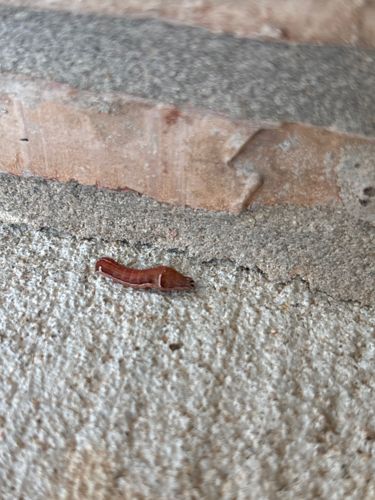
Crane Fly Larva (Leatherjacket)
Tipula spp. (Larva of various species within the Tipulidae family)
- Order & Family
- Order: Diptera, Family: Tipulidae
- Size
- Typically 10-60 mm in length, depending on the species and developmental stage.
Natural Habitat
Moist soil, turf, lawns, pastures, gardens, and areas rich in decaying organic matter. They prefer damp conditions.
Diet & Feeding
Mainly decaying organic matter, roots of grasses, crops, and other plants. They can be considered agricultural pests when present in large numbers.
Behavior Patterns
Larvae develop in moist soil or decaying organic matter. They are generally slow-moving, and their primary activity is feeding and growing. When mature, they pupate in the soil before emerging as adult crane flies. Adult crane flies are short-lived and do not feed; their main purpose is reproduction.
Risks & Benefits
Risks: In large numbers, crane fly larvae can cause significant damage to lawns, crops, and turf by feeding on roots, leading to brown patches and stunted growth. They are considered agricultural and horticultural pests. Benefits: As adults, crane flies can serve as a food source for birds and other insectivores. The larvae also contribute to the decomposition of organic matter in the soil.