
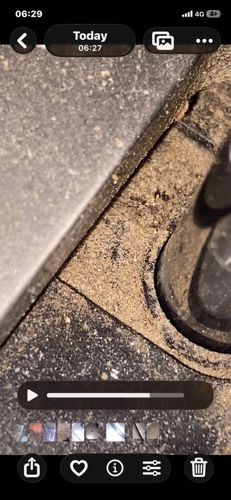
Community identification
Ant
Formicidae
- Order & Family
- Order: Hymenoptera; Family: Formicidae
- Size
- 0.75 mm to 52 mm, depending on the species and caste.
Natural Habitat
Terrestrial environments worldwide, excluding Antarctica; common in soil, under rocks, inside rotting wood, and within human structures.
Diet & Feeding
Omnivorous; they eat nectar, seeds, fungus, and other insects. Many species are attracted to sugary or protein-rich food sources in homes.
Behavior Patterns
Highly social insects living in organized colonies with distinct castes (queen, workers, males). They use pheromones to communicate and create complex trail systems.
Risks & Benefits
Benefits include soil aeration and decomposition of organic matter. Risks include potential structural damage (e.g., carpenter ants), being a nuisance pest in kitchens, and painful stings or bites from certain species.