
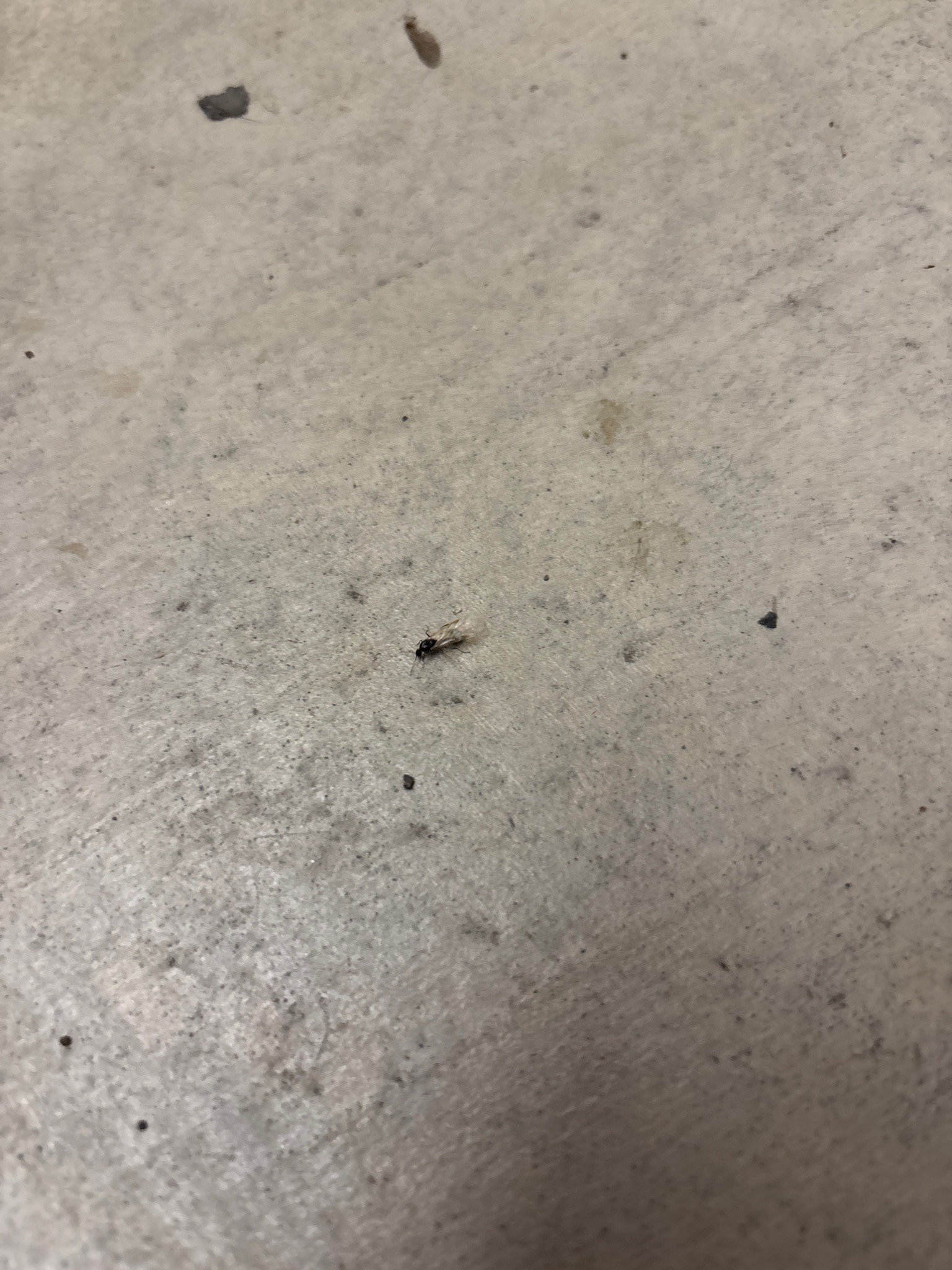
Winged Ant (Ant Alate)
Formicidae (genus/species depends on location, commonly Lasius or Camponotus)
- Order & Family
- Order: Hymenoptera, Family: Formicidae
- Size
- 3mm to 15mm depending on the specific species.
Natural Habitat
Existing underground nests, wall voids, or rotting wood; found indoors or outdoors during swarming events.
Diet & Feeding
Varies by species; typically nectar, honeydew from aphids, or protein-rich food scraps during the reproductive stage.
Behavior Patterns
These are reproductive individuals (queens and drones) that emerge in large numbers for a 'nuptial flight' to mate and start new colonies. They are often confused with termites but have a pinched waist and elbowed antennae.
Risks & Benefits
Benefits include soil aeration and decomposition in ecosystems. Risks include potential structural damage (if Carpenter Ants) or indicating a high density of ant colonies nearby; they are generally harmless to humans but can be a nuisance.