
Community identification
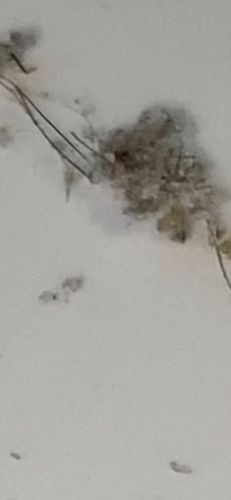
Masked Hunter (Nymph)
Reduvius personatus
- Order & Family
- Hemiptera: Reduviidae
- Size
- 15 mm to 22 mm (0.6 to 0.9 inches) as adults; nymphs are smaller and covered in debris.
Natural Habitat
Typically found indoors in dry areas like basements, attics, and corners where dust accumulates; also found in bird nests or under rocks outdoors.
Diet & Feeding
Carnivorous predator; feeds on small arthropods including bed bugs, carpet beetles, termites, and earwigs using piercing-sucking mouthparts.
Behavior Patterns
Nymphs practice active camouflage by covering their sticky bodies with dust, lint, and sand (masking). They are nocturnal hunters that move with jerky, deliberate motions to avoid detection.
Risks & Benefits
Benefits the ecosystem by acting as natural pest control for indoor insects. While not aggressive to humans, they can deliver a very painful bite if handled or provoked, though they do not transmit diseases.