
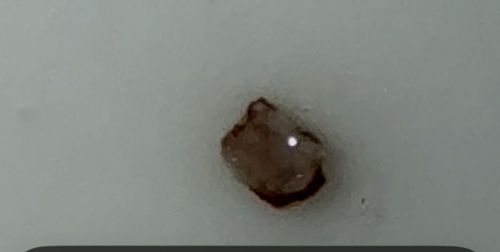
Case-bearing Clothes Moth Larva
Tinea pellionella
- Order & Family
- Order: Lepidoptera, Family: Tineidae
- Size
- Larval case is typically 5 to 10 mm in length.
Natural Habitat
Found in homes, particularly in dark, quiet areas like closets, underneath furniture, along baseboards, and in stored woolens or carpets.
Diet & Feeding
Larvae feed on natural animal fibers such as wool, fur, silk, feathers, felt, leather, and sometimes accumulated dust or pet hair.
Behavior Patterns
The larva constructs a portable, silken tube-like case around itself which it drags along as it moves. It camouflages the case with fibers from the material it is feeding on. They tend to avoid light and will attach their cocoon to a surface (often a wall or ceiling) when ready to pupate.
Risks & Benefits
Risks: Major household pest that damages clothing, carpets, rugs, and upholstery biological made of natural fibers. They do not bite or sting humans. Benefits: In nature, they help break down detritus and keratin, but in homes, they are pests.