
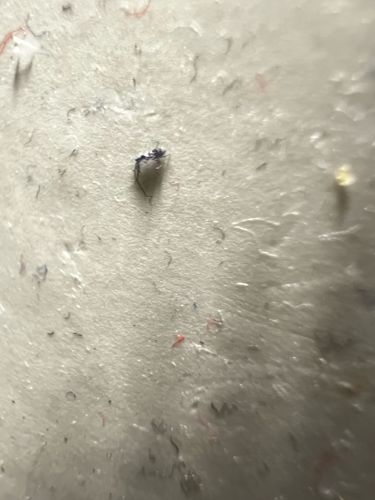
Flea
Ctenocephalides felis (Cat flea) or Ctenocephalides canis (Dog flea)
- Order & Family
- Order: Siphonaptera, Family: Pulicidae
- Size
- 1.5 to 3.3 mm in length
Natural Habitat
Typically found on domestic pets, in carpets, bedding, and floor cracks within homes, or in outdoor areas where animals congregate.
Diet & Feeding
Obligate hematophagous (blood-feeders); adults consume blood from various mammals and birds, while larvae feed on organic debris and 'flea dirt' (dried adult excrement).
Behavior Patterns
Fleas are wingless, jumping insects known for their powerful hind legs. They undergo complete metamorphosis (egg, larva, pupa, adult) and can remain dormant in the pupal stage for months until they detect vibration, heat, or CO2 from a host.
Risks & Benefits
Risks include causing intense itching (flea allergy dermatitis), transmitting tapeworms, and potentially spreading diseases like typhus or bubonic plague. They provide no significant benefits to the ecosystem and are considered domestic pests.