
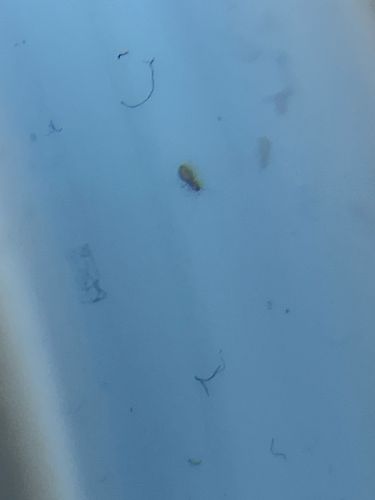
Aphid
Aphidoidea (Superfamily)
- Order & Family
- Hemiptera (Order), Aphididae (Family)
- Size
- 1 to 10 mm (typically 2-3 mm)
Natural Habitat
Found on a wide variety of plants, including agricultural crops, garden plants, and wild vegetation. They typically infest the undersides of leaves, young stems, and flower buds.
Diet & Feeding
Aphids are phytophagous, meaning they feed on plant sap. They use their piercing-sucking mouthparts to extract sap from the phloem of plants, which is rich in sugars and amino acids.
Behavior Patterns
Aphids often reproduce rapidly through parthenogenesis (asexual reproduction), allowing for quick population growth. They can be found in large colonies and may secrete a sticky substance called 'honeydew'. Some species are winged and can disperse to new plants when conditions become crowded or resources scarce.
Risks & Benefits
Risks: Aphids are significant agricultural pests. They can stunt plant growth, deform leaves, transmit plant viruses, and their honeydew can lead to sooty mold growth, which inhibits photosynthesis. Benefits: While generally considered pests, they are a food source for many beneficial insects like ladybugs and lacewings, as well as some birds.