
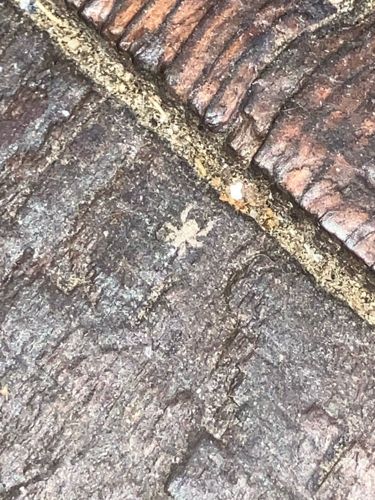
Jumping Spider
Phidippus audax (a common species, though exact species can vary)
- Order & Family
- Order: Araneae, Family: Salticidae
- Size
- Typically 3 to 15 mm (0.1 to 0.6 inches) in body length.
Natural Habitat
Jumping spiders can be found in a wide variety of habitats, including gardens, forests, grasslands, deserts, and even inside homes. They often prefer vertical surfaces like walls, fences, tree trunks, and foliage where they can easily spot and pounce on prey.
Diet & Feeding
Jumping spiders are carnivores, primarily preying on insects and other small invertebrates. They actively hunt during the day.
Behavior Patterns
Jumping spiders are active hunters with excellent vision, especially their two large anterior median eyes, which provide binocular vision for accurate depth perception. They do not build webs to catch prey but use silk for safety lines when jumping or for retreats (sac-like structures) where they rest, molt, or lay eggs. They often stalk their prey before pouncing on it. They are known for their curious and relatively bold behavior towards humans.
Risks & Benefits
Risks: Generally harmless to humans. Their bites are rare and usually only occur if they feel threatened or are squeezed. The venom is not considered medically significant and typically results in only mild, localized pain and swelling. Benefits: They are beneficial predators in many ecosystems, helping to control insect populations, including common pests. They are also interesting subjects for behavioral studies due to their complex hunting strategies and courtship rituals.