
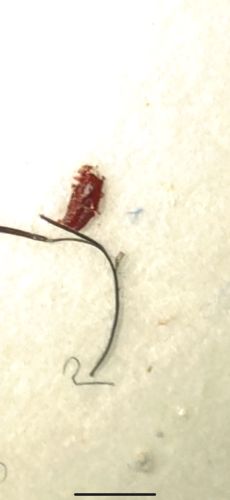
Flea
Siphonaptera
- Order & Family
- Order: Siphonaptera; Includes families like Pulicidae
- Size
- 1.5 mm to 3.3 mm (approx. 1/16 to 1/8 inch)
Natural Habitat
Fleas are found worldwide. They typically live on the bodies of warm-blooded hosts and in the environments where these hosts rest, such as bedding, carpets, and floor crevices.
Diet & Feeding
Adult fleas are hematophagous, meaning they feed exclusively on the blood of mammals or birds. Larvae typically feed on organic debris and the protein-rich 'flea dirt' (feces) produced by adult fleas.
Behavior Patterns
Fleas are wingless but are exceptional jumpers. They use their hind legs to leap onto hosts. Their life cycle involves complete metamorphosis from egg to larva, pupa, and adult. They are highly resilient and can remain in the pupal stage for months until they detect a nearby host's vibrations or carbon dioxide.
Risks & Benefits
Fleas present significant health risks as they can transmit diseases, including the bubonic plague, murine typhus, and various parasitic tapeworms. Flea bites cause itching and allergic dermatitis in both humans and pets. They offer no notable benefits to the human ecosystem and are considered major pests.