
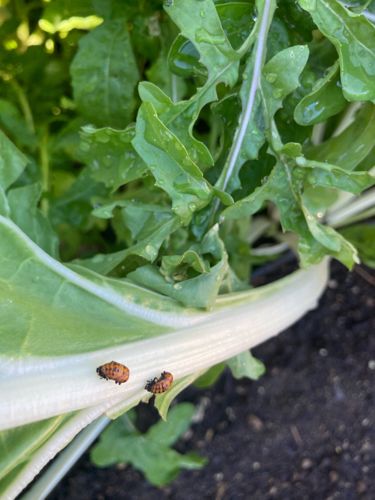
Ladybug larvae
Various species within Coccinellidae (e.g., Harmonia axyridis, Coccinella septempunctata)
- Order & Family
- Order: Coleoptera, Family: Coccinellidae
- Size
- Typically 1-18 mm, depending on the species and larval instar.
Natural Habitat
Gardens, agricultural fields, meadows, and anywhere their prey (like aphids) are present. They are often found on plants.
Diet & Feeding
Aphids, scale insects, mites, and other soft-bodied insect pests. They are voracious predators.
Behavior Patterns
Ladybug larvae are predatory and active hunters. They move around plants searching for soft-bodied insects. As they grow, they molt several times. When ready to pupate, they attach themselves to a leaf or stem and transform into a pupa, from which the adult ladybug emerges.
Risks & Benefits
Benefits: Ladybug larvae are highly beneficial insects for gardeners and agriculture as they are natural predators of many common plant pests, helping to control pest populations without the need for chemical pesticides. Risks: None for humans or plants.