
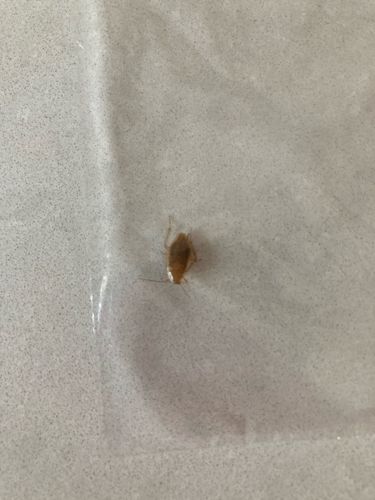
German Cockroach
Blattella germanica
- Order & Family
- Order: Blattodea, Family: Ectobiidae
- Size
- Adults typically measure 1.1 to 1.6 cm (0.43 to 0.63 inches) in length.
Natural Habitat
Primarily indoor pests, found in warm, humid environments close to food and water sources. Common in kitchens, bathrooms, restaurants, food processing plants, and other commercial facilities. They hide in cracks, crevices, behind appliances, in cabinets, and under sinks.
Diet & Feeding
Omnivorous scavengers, feeding on almost anything organic, including food scraps, grease, starches, sugars, proteins, dead insects, soap, glue, and even toothpaste. They are particularly attracted to fermenting foods and liquids.
Behavior Patterns
Nocturnal activity, rapid reproduction rate, tendency to hide in cracks and crevices during the day, gregarious behavior (lives in groups). They are known for being very alert and will scatter quickly when disturbed.
Risks & Benefits
Risks: German cockroaches are significant pests that can transmit pathogens causing food poisoning (e.g., Salmonella, Staphylococcus) and other diseases. They can trigger asthma and allergic reactions due to their saliva, feces, and shed skins. Their presence can also lead to contamination of food and surfaces, and emit unpleasant odors in severe infestations. Benefits: In nature, cockroaches play a role as decomposers, but in urban environments, their negative impacts far outweigh any potential benefits.