
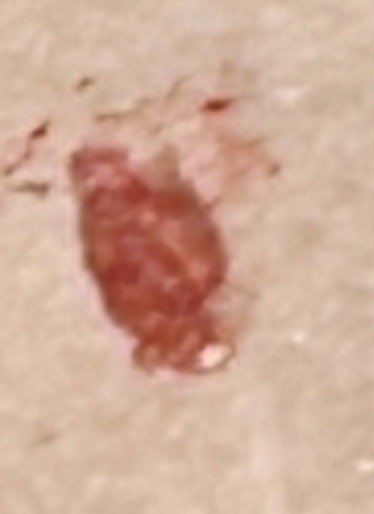
Bed Bug
Cimex lectularius
- Order & Family
- Hemiptera / Cimicidae
- Size
- 4–5 mm (0.16–0.20 in) for adults; nymphs are smaller and more translucent.
Natural Habitat
Found inside residential homes, apartments, hotels, and communal environments; they typically hide in mattress seams, bed frames, and furniture cracks near sleeping areas.
Diet & Feeding
Obligate hematophages (blood-feeders) that primarily consume human blood, but will feed on other warm-blooded animals if humans are unavailable.
Behavior Patterns
Nocturnal and elusive; they are attracted to heat and carbon dioxide. They undergo hemimetabolous metamorphosis (egg, nymph, adult) and require a blood meal to progress through each growth stage.
Risks & Benefits
Risks include itchy allergic reactions to bites, sleep deprivation, and psychological distress. While they do not transmit pathogens to humans, infestations are difficult and expensive to eradicate. They offer no known benefits to the ecosystem.