
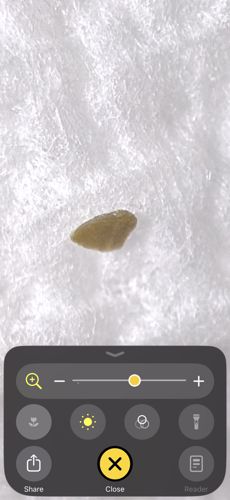
Community identification
Body Louse (or Head Louse)
Pediculus humanus
- Order & Family
- Order: Psocodea (formerly Phthiraptera), Family: Pediculidae
- Size
- 2.5 - 3.5 mm in length
Natural Habitat
Typically found on human hosts; body lice live in clothing and move to the skin to feed, while head lice live in scalp hair.
Diet & Feeding
Obligate hematophages; they feed exclusively on human blood several times a day.
Behavior Patterns
They are wingless, crawling insects that cannot jump or fly. They attach their eggs (nits) to hair shafts or clothing fibers. They are highly specialized to their host and die within 1-2 days if separated from the human body.
Risks & Benefits
Risks: Causes intense itching and skin irritation (pediculosis). Body lice are significant vectors for diseases such as epidemic typhus, trench fever, and louse-borne relapsing fever. Benefits: None to humans; they are strictly parasitic.