
Community identification
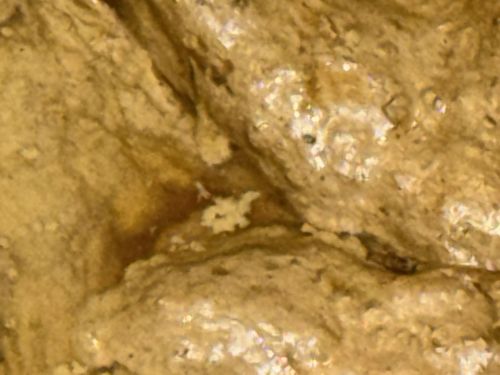
Masked Hunter (Nymph)
Reduvius personatus
- Order & Family
- Order: Hemiptera, Family: Reduviidae
- Size
- Nymphs vary based on age but grow up to 20 mm as adults.
Natural Habitat
Commonly found indoors in dry areas, such as basements, attics, and around window sills; outdoors, they live in wooded areas and hollow trees.
Diet & Feeding
Carnivorous/Insectivorous. They hunt small arthropods including bed bugs, carpet beetles, termites, and earwigs using a piercing-sucking proboscis.
Behavior Patterns
Nymphs are known for 'masking' themselves by using sticky secretions to cover their bodies with dust, sand, or debris for camouflage. They are nocturnal hunters and undergo incomplete metamorphosis.
Risks & Benefits
Benefits: They act as natural pest control by eating unwanted indoor insects. Risks: They do not transmit disease, but they can deliver a painful bite if handled or provoked, which may cause localized swelling.