
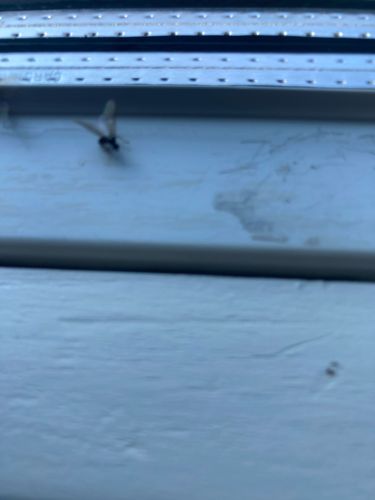
Flying Ant (reproductive)
Various species within Formicidae (e.g., Camponotus spp., Lasius spp.)
- Order & Family
- Order Hymenoptera, Family Formicidae
- Size
- Varies significantly by species, but reproductives are generally larger than worker ants, ranging from a few millimeters up to 2-3 cm for some queen carpenter ants.
Natural Habitat
Flying ants originate from ant colonies, which can be found in various habitats including soil, under rocks, in wood (decaying or sound), and within structures (e.g., walls, foundations).
Diet & Feeding
Adult flying ants, especially the reproductives, typically do not feed much. Their primary purpose is reproduction. The colony's diet is varied, including sugars, fats, and proteins (e.g., honeydew, insects, seeds, fungi).
Behavior Patterns
Flying ants are often observed during mating swarms, especially after rain, when male and female reproductive ants leave the nest to mate. New queens will then seek a suitable location to establish a new colony.
Risks & Benefits
Risks: Some species of ants can be considered pests if they invade homes or chew on wood (e.g., carpenter ants). Certain species can bite or sting, though flying ants typically aren't aggressive during swarms. Benefits: Ants play a crucial role in ecosystems as decomposers, soil aerators, and as part of the food chain for other animals.