
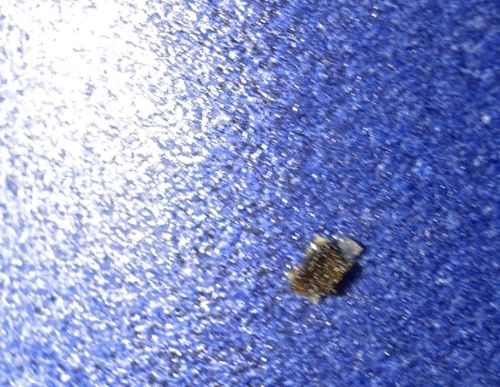
Community identification
Case-bearing clothes moth (larva)
Tinea pellionella
- Order & Family
- Lepidoptera, Tineidae
- Size
- Larval case is usually 5mm to 10mm in length.
Natural Habitat
Worldwide distribution; typically found indoors within homes, warehouses, and museums where organic fibers are present.
Diet & Feeding
Keratin-rich materials including woolens, silk, fur, hair, feathers, and occasionally detritus or dried plant material.
Behavior Patterns
The larva constructs a portable silken case incorporating fibers from its food source. It carries this case while feeding and eventually pupates inside it. Unlike the webbing clothes moth, it typically stays within its case and migrates to cracks or ceilings to pupate.
Risks & Benefits
Significant household pest that can cause irreversible damage to clothing, upholstery, carpets, and taxidermy. They do not bite humans or spread disease, but their presence can lead to economic loss and damage to heirlooms.