
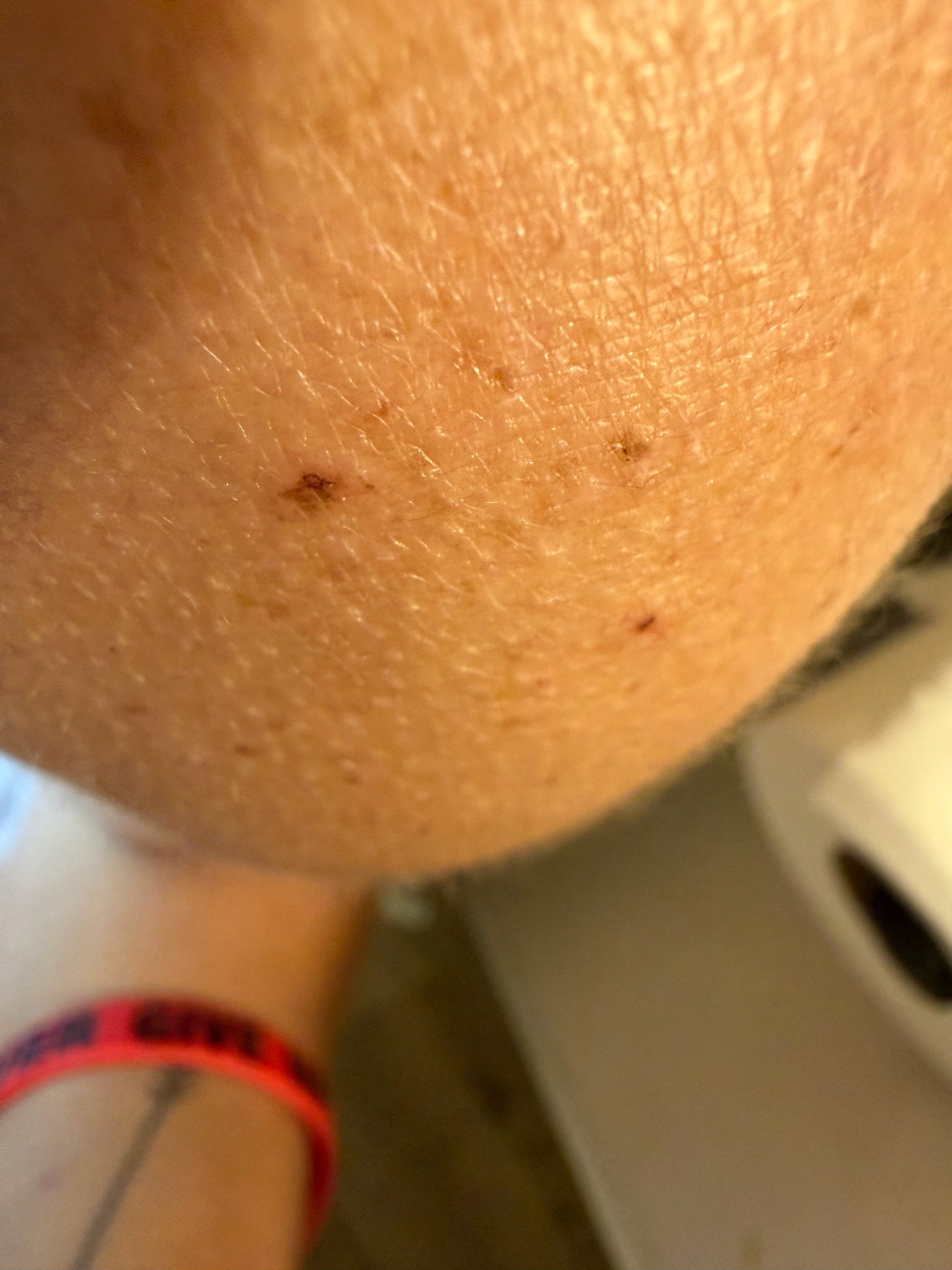
Pubic Louse (commonly known as Crabs)
Pthirus pubis
- Order & Family
- Order: Psocodea; Family: Pthiridae
- Size
- 1.1 to 1.8 mm (about the size of a pinhead)
Natural Habitat
Found primarily in human pubic hair, but can also inhabit other coarse body hair such as eyebrows, eyelashes, armpit hair, and chest hair.
Diet & Feeding
Obligate ectoparasites that feed exclusively on human blood.
Behavior Patterns
They are sedentary parasites that grasp hair shafts with specialized claws. They cannot jump or fly and are usually transmitted through close physical contact or shared bedding/clothing. Their life cycle includes egg (nit), nymph, and adult stages.
Risks & Benefits
Risks include intense itching (pruritus due to an allergic reaction to saliva), skin irritation, and secondary bacterial infections from scratching. They do not transmit diseases but are considered a nuisance and a sign of infestation. There are no ecological benefits as they are specialized human parasites.