
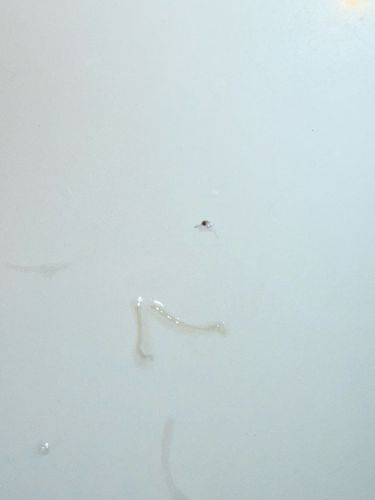
Community identification
Drain Fly
Psychodidae
- Order & Family
- Order: Diptera; Family: Psychodidae
- Size
- 2mm - 5mm
Natural Habitat
Moist environments high in organic matter, such as drains, sewers, septic tanks, and damp soil.
Diet & Feeding
Larvae feed on the organic slime (biofilm) found in drains; adults primarily feed on liquid carbohydrates like nectar and contaminated water.
Behavior Patterns
Poor fliers that often crawl or hop; they are most active at night and tend to rest on walls near their breeding sites. Life cycle can be completed in 7 to 20 days.
Risks & Benefits
Generally harmless to humans but can be a nuisance and potentially transport bacteria from drains to food surfaces. Larvae play a minor beneficial role by breaking down organic matter in sewage systems.