
Community identification
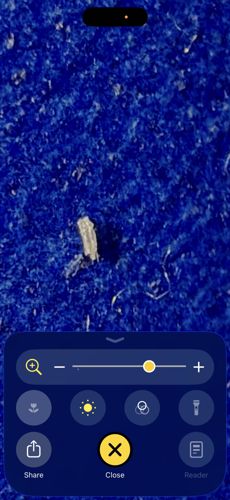
Casemaking Clothes Moth larva
Tinea pellionella
- Order & Family
- Lepidoptera: Tineidae
- Size
- Larval case: 1/16 to 1/2 inch (2–12mm); Adult wingspan: 1/2 inch (12mm)
Natural Habitat
Indoor environments, particularly in dark, undisturbed areas like closets, under furniture, or in storage bins.
Diet & Feeding
Animal-based fibers including wool, silk, fur, feathers, and hair. They feed on keratin and often damage clothing or carpets.
Behavior Patterns
The larva constructs a portable silken case incorporating fibers from the material it is eating. It drags this case as it moves and eventually pupates inside it. Unlike other moths, adults avoid light and are weak fliers.
Risks & Benefits
Risks: Significant pest that can cause permanent damage to clothing, upholstery, and heirloom textiles. Benefits: In nature, they help break down animal remains like feathers or fur, but they are primarily viewed as household pests.