
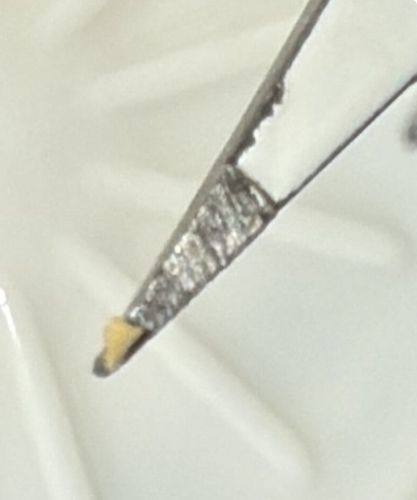
Pharaoh Ant
Monomorium pharaonis
- Order & Family
- Hymenoptera: Formicidae
- Size
- Workers are very small, approximately 1.5 to 2 mm (1/16 inch) in length.
Natural Habitat
Widely distributed throughout the world; indoors, they prefer warm, humid areas near water and food sources, such as kitchens, bathrooms, and inside wall voids.
Diet & Feeding
Omnivorous; they consume a wide variety of foods including sweets (sugar, syrup), proteins (oils, peanut butter, meats), and even dead insects.
Behavior Patterns
They exhibit a unique nesting behavior called 'budding,' where a group of workers and queens split from the main colony to form a new one. This makes them difficult to control because chemical sprays can cause the colony to fracture and spread.
Risks & Benefits
They are considered a major pest, especially in hospitals, as they can mechanically transmit pathogens like Salmonella and Staphylococcus. They provide little ecosystem benefit in human-occupied structures.