
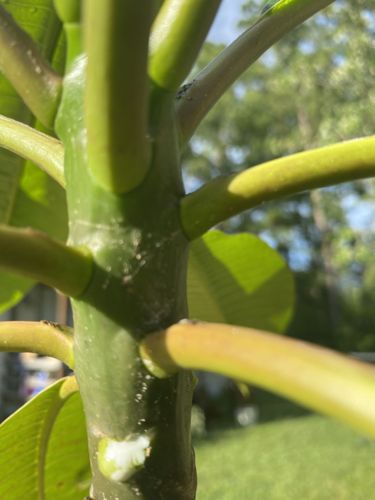
Mealybug
Pseudococcidae (family)
- Order & Family
- Order: Hemiptera, Family: Pseudococcidae
- Size
- Typically 1-4 mm (0.04-0.16 inches) in length, though some can be larger.
Natural Habitat
Mealybugs are commonly found in warm, humid environments. They are significant pests in greenhouses, conservatories, and on houseplants, but can also be found on outdoor plants, fruit trees, and ornamental shrubs. They prefer sheltered parts of plants.
Diet & Feeding
Mealybugs are sap-sucking insects. They feed by inserting their stylet-like mouthparts into the plant's phloem tissue to extract sap. This depletes the plant of nutrients and can cause stunted growth, leaf yellowing, and leaf drop.
Behavior Patterns
Mealybugs are typically slow-moving or sessile, especially the females. They often congregate in sheltered areas on plants, such as leaf axils, stem junctions, and undersides of leaves. They excrete a sticky, sugary substance called honeydew, which can lead to the growth of sooty mold. Ants are often attracted to honeydew and will 'farm' mealybugs, protecting them from predators in exchange for this food source. Reproduction can be sexual or parthenogenetic (without fertilization).
Risks & Benefits
Risks: Mealybugs are major agricultural and horticultural pests. Their feeding weakens plants, leading to wilting, yellowing, and defoliation. The honeydew they excrete promotes the growth of black sooty mold, which can block photosynthesis and reduce the aesthetic value of plants. Heavy infestations can lead to plant death. They can also transmit plant viruses. Benefits: Limited to none for humans. In some ecosystems, they may serve as a food source for beneficial insects.