
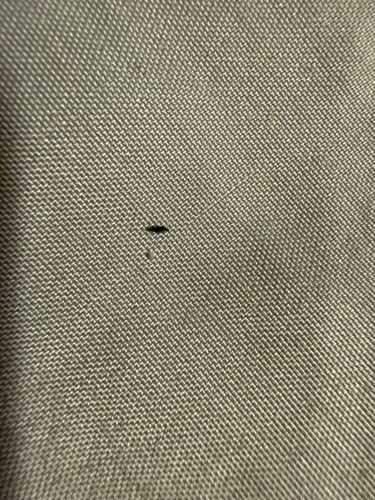
Fungus Gnat
Bradysia spp. (common genus)
- Order & Family
- Order: Diptera, Family: Sciaridae (dark-winged fungus gnats) or Mycetophilidae (true fungus gnats)
- Size
- 2-8 mm (adults)
Natural Habitat
Damp, organic-rich environments, often near potted plants, decaying leaves, compost, or moist soil. Indoors, they are commonly associated with overwatered houseplants.
Diet & Feeding
Adult fungus gnats typically do not feed or feed on liquids. Larvae feed on fungi, decaying organic matter, and plant roots, especially fine root hairs.
Behavior Patterns
Adults are weak fliers and are often seen near the soil surface of potted plants or around windows. They are attracted to light and moisture. Females lay eggs in moist soil. Larvae develop in the soil, feeding on organic matter and roots. The life cycle from egg to adult can be as short as 17-28 days depending on conditions.
Risks & Benefits
Potential risks include being a nuisance pest indoors. Large larval populations can damage plant roots, especially in seedlings and young plants, leading to wilting, stunted growth, and yellowing leaves. They do not bite humans or transmit diseases. Benefits include contributing to the decomposition of organic matter in outdoor environments.