
Community identification
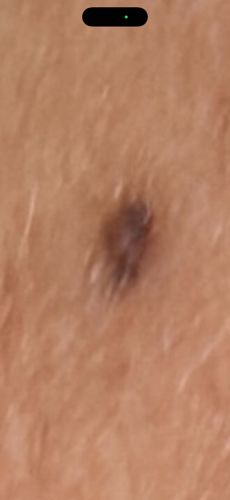
Mole or Nevus
Melanocytic nevus
- Order & Family
- Dermatological growth (Not an insect)
- Size
- Typically 1mm to 6mm, though size varies
Natural Habitat
Found on human skin surfaces globally
Diet & Feeding
Non-feeding; composed of specialized skin cells called melanocytes
Behavior Patterns
Generally static; may change slowly over time with age, sun exposure, or hormonal shifts
Risks & Benefits
Most are benign and harmless, but atypical moles can pose a risk of developing into melanoma (skin cancer). It is recommended to monitor for changes in shape, color, or size and consult a dermatologist if concerned.