
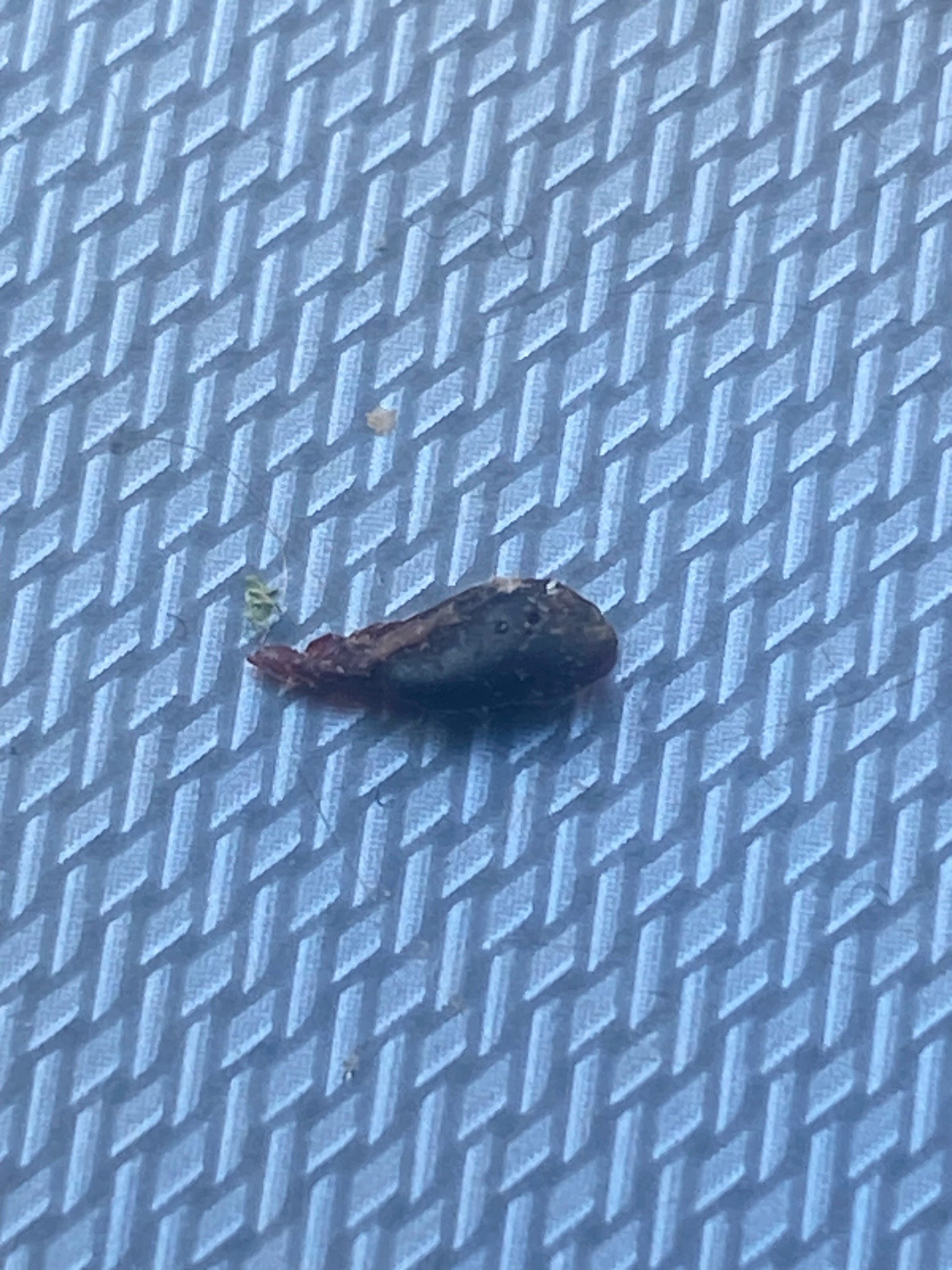
Community identification
Dog Flea
Ctenocephalides canis
- Order & Family
- Siphonaptera, Pulicidae
- Size
- 1 to 2.5 mm in length
Natural Habitat
Found globally in close proximity to host animals, particularly in carpets, bedding, and outdoor shaded areas where pets rest.
Diet & Feeding
Adults are hematophagous, feeding exclusively on the blood of mammals (primarily canines), while larvae feed on organic debris and adult flea feces.
Behavior Patterns
Known for powerful jumping to traverse between hosts; adults spend most of their time on the host while eggs and larvae remain in the environment.
Risks & Benefits
Risks include localized dermatitis, allergic reactions, and the transmission of parasites such as the double-pored tapeworm (Dipylidium caninum).