
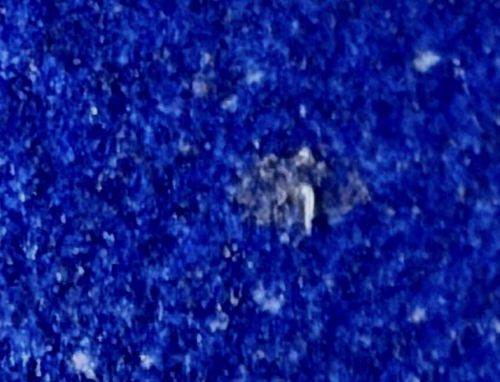
Clothing Moth Case (likely Case-bearing Clothes Moth larva)
Tinea pellionella
- Order & Family
- Lepidoptera (Order) / Tineidae (Family)
- Size
- Larval case is typically 5-10 mm (0.2-0.4 inches) in length.
Natural Habitat
Found in homes, particularly in wardrobes, carpets, and areas where natural fibers (wool, silk, fur) are stored. They often attach to walls or fabrics.
Diet & Feeding
The larvae feed on keratin-rich animal fibers such as wool, fur, silk, leather, feathers, and lint. They will also eat hair and dead skin cells found in dust.
Behavior Patterns
The larva constructs a portable, silken case around itself, often incorporating debris and fibers from whatever it is eating (which camouflages it). It carries this protective home with it as it moves to feed. It never leaves this case until it pupates.
Risks & Benefits
Risks: Major pest of textiles. Larvae can cause significant and often irreparable damage to expensive clothing, carpets, and upholstery. Benefits: In nature, they act as decomposers of animal remains (e.g., bird nests, carcasses), recycling keratin.