
Community identification
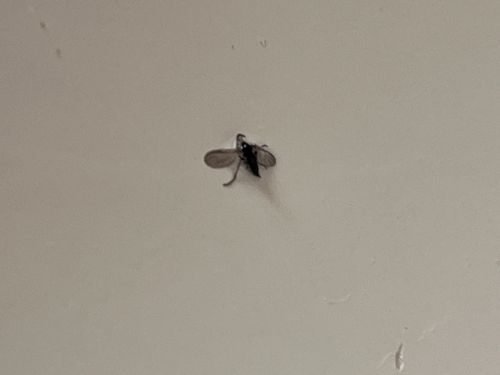
Drain Fly
Psychodidae
- Order & Family
- Order Diptera, Family Psychodidae
- Size
- 1.5 to 5 mm (approx. 1/16 to 1/5 inch)
Natural Habitat
Moist environments high in organic matter, such as drain pipes, sewers, septic tanks, and damp soil.
Diet & Feeding
Larvae feed on the gelatinous film of bacteria, fungi, and organic debris (biofilm) in drains; adults primarily consume liquid carbohydrates like nectar or polluted water.
Behavior Patterns
Poor fliers that typically crawl or perform short, hopping flights. They are most active at night and are often found resting on walls near plumbing fixtures. They undergo complete metamorphosis.
Risks & Benefits
They do not bite and are generally harmless to humans, but can be a nuisance in large numbers. While they help break down organic matter in sewage, they can potentially transport bacteria from contaminated areas to food or surfaces.