
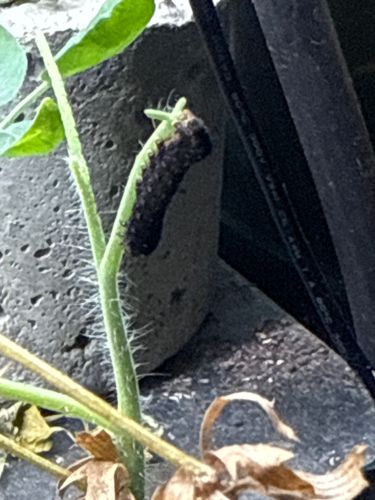
Cutworm (larva)
Agrotis ipsilon (or other species in the Noctuidae family, specific identification often requires closer examination)
- Order & Family
- Lepidoptera (Order), Noctuidae (Family)
- Size
- Larvae typically range from 2.5 to 5 cm (1 to 2 inches) in length when fully grown.
Natural Habitat
Found in agricultural fields, home gardens, grasslands, and areas with abundant vegetation. They prefer loose, moist soil where they can burrow and hide.
Diet & Feeding
Primarily feed on the stems and leaves of young plants, seedlings, and root crops. They attack a wide variety of garden and field crops, including vegetables (e.g., tomatoes, beans, corn, cabbage), grains, and grasses. Some species may also climb plants to feed on foliage and buds.
Behavior Patterns
Cutworms are nocturnal and hide just below the soil surface or in plant debris during the day, emerging at night to feed. They often sever young plants at the stem near the soil line, hence their name 'cutworm'. They curl into a C-shape when disturbed. The larval stage lasts several weeks, after which they pupate in the soil. Adults are moths that are also typically nocturnal.
Risks & Benefits
Risks: Cutworms are significant agricultural pests that can cause severe damage to young plants, leading to crop loss. They are particularly destructive to newly planted seedlings. Benefits: As with many insects, cutworms and their adult moth forms can be part of the food chain for birds, bats, and other predators. Adult moths may also contribute to pollination, though this is a minor benefit compared to their pest status as larvae.