
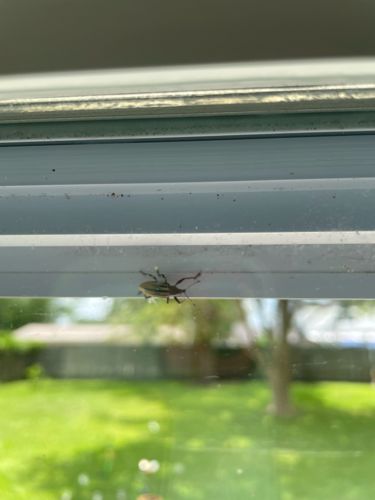
Stink Bug or Shield Bug
Various genera and species within Pentatomidae (e.g., Halyomorpha halys for the Brown Marmorated Stink Bug, Euschistus spp. for Brown Stink Bugs)
- Order & Family
- Order: Hemiptera, Family: Pentatomidae
- Size
- Typically 12-17 mm (0.5-0.7 inches) in length, though size can vary by species.
Natural Habitat
Stink bugs are highly adaptable and can be found in a wide range of habitats, including agricultural fields, gardens, orchards, forests, and residential areas. They are often found on host plants.
Diet & Feeding
Most stink bug species are phytophagous, meaning they feed on plants. They use their piercing-sucking mouthparts to feed on fruits, vegetables, seeds, and sap from various plants. Some species are predatory and feed on other insects.
Behavior Patterns
True bugs undergo incomplete metamorphosis (egg, nymph, adult). Many shield bugs are known to aggregate, especially in cooler weather, seeking sheltered spots like inside homes or under leaf litter to overwinter. When disturbed, they may emit a foul-smelling liquid as a defense mechanism.
Risks & Benefits
Risks: Many species of stink bugs are considered agricultural pests, causing significant damage to crops by feeding on fruits, vegetables, and seeds, leading to deformities, necrosis, and reduced yields. Some species, like the Brown Marmorated Stink Bug, are invasive and can be a nuisance when they gather in homes in large numbers. Benefits: Some predatory species of stink bugs can be beneficial as biological control agents, preying on other insect pests.